Dream Star: Elevating Visual Identity with Bold, Stylish Typography
In the rapidly evolving landscape of digital design and brand communication, typography has transcended its traditional role as a mere vessel for information. Today, typefaces are central to emotional resonance, brand recognition, and user engagement. Among the myriad of options available to modern creators, Dream Star has emerged as a distinctive choice for those seeking to blend professionalism with a touch of whimsical charm. This font is not just a collection of letters; it is a design tool that embodies the shift towards more personalized, expressive, and visually arresting content across various media platforms.
Defining the Aesthetic: What Is Dream Star?
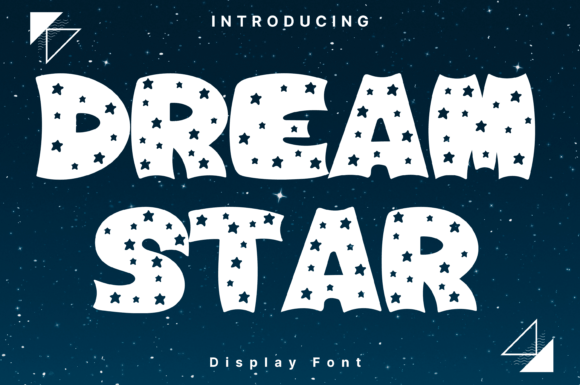
Dream Star is characterized by its friendly and stylish appearance, constructed with bold and thick letters that command attention without appearing aggressive. Unlike minimalist sans-serifs that prioritize invisibility and neutrality, this display font leans into its personality. It is designed to be a focal point, offering a visual weight that anchors designs while maintaining an approachable and inviting tone.
The structural integrity of Dream Star lies in its balance between robustness and elegance. The thick strokes provide high legibility, even at smaller sizes or on lower-resolution screens, while the stylized curves and terminals add a layer of sophistication. This duality makes it exceptionally versatile. It is the kind of display font that can be matched with lots of design ideas, such as crafts, presentations, invitations, and anything that requires a charming art form. By bridging the gap between playful creativity and professional polish, it serves as a bridge for designers who need to communicate warmth without sacrificing authority.
The Shift Towards Expressive Branding
The rising popularity of fonts like Dream Star reflects a broader trend in marketing and corporate identity: the move away from sterile, corporate minimalism toward expressive branding. For years, the tech industry and startup ecosystem favored clean, geometric sans-serif fonts that signaled efficiency and modernity. However, as markets become saturated and consumer attention spans shorten, brands are seeking ways to differentiate themselves through emotional connection.
Professionals, entrepreneurs, and marketers are increasingly recognizing that typography is a primary driver of brand personality. A font like Dream Star allows businesses to project values such as accessibility, creativity, and human-centric design. In an era where consumers crave authenticity, a typeface that feels hand-crafted yet polished helps humanize digital interactions. This is particularly relevant for freelancers and small business owners who rely on personal branding to stand out in competitive marketplaces. Using a distinctive font becomes a strategic decision, signaling that the brand is thoughtful, detail-oriented, and willing to invest in unique visual assets.
Meeting the Demands of Modern Workflows
The relevance of Dream Star is also tied to changes in creative workflows and technology. With the democratization of design tools, non-designers are now creating high-quality visual content for social media, email newsletters, and pitch decks. These creators need fonts that are forgiving and impactful. A bold, thick letterform ensures that headlines remain readable against busy backgrounds or in fast-scrolling feeds.
Furthermore, the rise of remote work and digital-first communication has increased the volume of presentations and virtual meetings. In these contexts, clarity and engagement are paramount. Dream Star offers a solution for slide decks that need to capture attention immediately. Its charming art form breaks the monotony of standard corporate templates, helping speakers maintain audience interest and reinforce key messages through visual emphasis.
Practical Applications Across Industries
Understanding the theoretical appeal of a font is one thing; applying it effectively is another. The versatility of Dream Star allows it to function across diverse sectors, from e-commerce to education. Below are practical observations on how this typeface enhances specific design projects.
- Crafts and Artisan Products: For makers selling handmade goods, packaging and labels are critical touchpoints. Dream Star conveys the care and individuality inherent in artisanal work. Its bold letters stand out on product tags, while its friendly style aligns with the narrative of handcrafted quality.
- Event Invitations and Stationery: Weddings, birthdays, and corporate galas require invitations that set the tone before the event begins. This font’s stylish nature adds a layer of celebration and exclusivity. It works particularly well when paired with delicate script fonts or minimalist icons, creating a balanced hierarchy that guides the eye.
- Educational Materials and Presentations: Teachers and corporate trainers benefit from fonts that are engaging yet clear. Dream Star can be used for headers in worksheets or slide titles, making educational content feel less intimidating and more inviting. Its thickness ensures visibility from the back of a room or on small mobile screens.
- Social Media Graphics: In the fast-paced environment of Instagram and Pinterest, visuals must stop the scroll. Bold typography is a proven strategy for achieving this. Using Dream Star for quote graphics or promotional announcements ensures that the message is consumed quickly and remembered.
Strategic Integration for Maximum Impact
To leverage Dream Star effectively, designers and marketers must consider context and contrast. Because it is a display font with significant visual weight, it should not be overused. Best practices suggest reserving it for headlines, logos, and short call-to-action buttons. For body text, pairing it with a neutral, highly legible sans-serif or serif font creates a harmonious contrast that enhances readability while maintaining visual interest.
Color theory also plays a crucial role. The thick letters of Dream Star provide ample surface area for color experimentation. Vibrant hues can amplify its energetic and friendly vibe, while muted pastels can soften its impact for more sophisticated, understated designs. Entrepreneurs should test different color combinations to see how the font interacts with their existing brand palette, ensuring consistency across all touchpoints.
The Role of Typography in Consumer Psychology
Why are people paying attention to fonts like Dream Star? The answer lies in consumer psychology. Research consistently shows that typography influences perception of credibility, mood, and intent. A bold, friendly font signals confidence and openness. In contrast, overly rigid or thin fonts may perceive as cold or distant. By choosing a typeface that embodies warmth and strength, brands can subconsciously influence how customers feel about their products or services.
This psychological impact is particularly important in industries focused on wellness, lifestyle, and community building. Here, the goal is to foster trust and belonging. Dream Star supports this objective by creating a visual environment that feels safe, welcoming, and inspiring. It is not just about aesthetics; it is about creating an emotional bridge between the brand and the consumer.
Future-Proofing Your Design Choices
As we look toward the future of digital design, the demand for unique, character-driven typography will likely continue to grow. Algorithms and AI-generated content are becoming ubiquitous, leading to a homogenization of visual styles. In this context, human-curated design choices become more valuable. Selecting a distinctive font like Dream Star is a way to assert human creativity and intentionality in a sea of automated content.
Moreover, accessibility standards are becoming stricter. Fonts with clear, bold structures are inherently more accessible to users with visual impairments or dyslexia. By prioritizing legibility alongside style, Dream Star aligns with inclusive design principles. This forward-looking approach ensures that designs are not only beautiful but also functional and equitable.
For freelancers and agencies, staying ahead of these trends means curating a toolkit of versatile, high-quality fonts. Dream Star represents a smart investment in this toolkit. It offers the flexibility to adapt to changing client needs while maintaining a consistent standard of quality and charm. Whether used in a startup’s pitch deck or a boutique’s packaging, it delivers a professional finish that resonates with modern audiences.
Conclusion
In conclusion, Dream Star is more than just a stylish font; it is a strategic asset for modern communicators. Its bold, thick letters and friendly demeanor make it an ideal choice for projects that require both impact and warmth. By understanding the broader trends toward expressive branding, inclusive design, and emotional connectivity, professionals can leverage this typeface to enhance their visual identity. Whether you are a marketer crafting a campaign, an entrepreneur building a brand, or a creator designing an invitation, Dream Star offers the perfect blend of charm and professionalism. Embracing such thoughtful design choices is essential for standing out in today’s crowded digital landscape, ensuring that your message is not only seen but felt.
For those interested in exploring how typography can transform their projects, consider experimenting with Dream Star in your next design iteration. Observe how its presence alters the tone of your content and engages your audience. In the world of visual communication, the right font can indeed make all the difference.