Spit: A Distinctive 3D Typeface for Modern Design Projects
In the saturated landscape of digital typography, finding a font that balances artistic flair with functional readability is a persistent challenge for designers. Spit emerges as a compelling solution in this space, offering a unique three-dimensional aesthetic that commands attention without sacrificing legibility. This typeface is not merely a stylistic novelty; it is a robust design asset engineered to enhance visual hierarchy and brand identity across various media. For professionals ranging from marketing directors to independent creators, understanding the specific utility and application of Spit can significantly elevate the impact of their visual communications.
The Architecture of Dimensionality
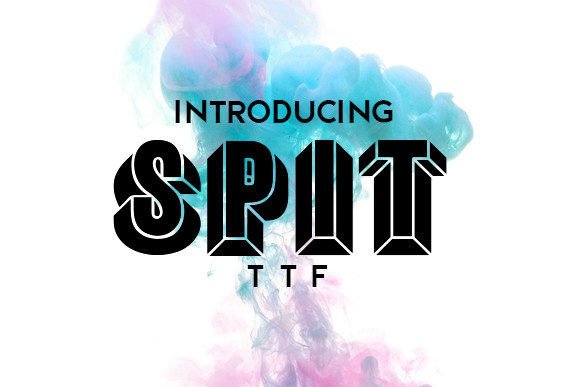
The defining characteristic of Spit is its inherent three-dimensionality. Unlike standard two-dimensional fonts that rely on weight or italicization for emphasis, Spit utilizes depth, shadow, and perspective to create a tangible sense of volume. This structural approach allows the typeface to pop off the page or screen, creating an immediate focal point. The design philosophy behind Spit prioritizes geometric precision, ensuring that the 3D effects remain consistent across all characters. This consistency is crucial for maintaining professional standards, as inconsistent rendering can often make 3D fonts appear amateurish or disjointed.
What makes Spit worth discussing is its versatility within the 3D genre. Many three-dimensional typefaces are overly ornate, limiting their use to specific niche applications. Spit, however, strikes a balance between boldness and clarity. The extrusion and shading are calibrated to enhance readability rather than obscure it. This makes it a practical choice for headlines and short-form copy where impact is paramount. The font’s ability to convey depth without requiring complex post-production editing saves designers valuable time, allowing for quicker iteration and deployment in fast-paced creative environments.
Practical Applications in Marketing and Branding
The primary value of Spit lies in its adaptability across different marketing channels. Its robust structure makes it particularly effective for high-visibility materials such as flyers, banners, and promotional posters. In these contexts, the goal is often to capture attention within seconds. The volumetric nature of Spit ensures that key messages stand out even from a distance or on smaller mobile screens. When used on flyers, the font can anchor the design, providing a solid foundation for other graphical elements without competing for visual space.
For apparel design, specifically t-shirts, Spit offers a distinct advantage. Text-based graphics are a staple of streetwear and casual fashion, but flat text can sometimes lack presence on fabric. The 3D illusion created by Spit adds a layer of sophistication and visual interest that mimics the look of embroidered or raised printing. This effect can be achieved digitally, reducing production costs while maintaining a premium aesthetic. Entrepreneurs and small business owners looking to create memorable merchandise will find that Spit lends a contemporary, edgy feel to their brand logos and slogans.
- Digital Banners: Enhances click-through rates by creating visually striking headers.
- Event Flyers: Ensures critical information like dates and titles are immediately noticeable.
- Apparel Graphics: Provides a modern, textured look for t-shirt designs and merchandise.
- Social Media Assets: Ideal for creating engaging thumbnails and story overlays.
Usability and Workflow Integration
From a technical standpoint, the usability of Spit is designed to integrate seamlessly into standard design workflows. Whether you are using industry-standard software like Adobe Illustrator, Photoshop, or open-source alternatives, Spit functions as a reliable system font. Its vector-based construction ensures that it scales infinitely without loss of quality, a critical feature for designers who need to adapt assets from business cards to large-format banners. This scalability guarantees that the intricate details of the 3D effect remain sharp, regardless of the output size.
Furthermore, Spit demonstrates excellent compatibility with various color palettes and backgrounds. While 3D fonts can sometimes clash with busy backgrounds, the clean lines and defined shadows of Spit allow it to sit comfortably over both solid colors and photographic images. Designers can easily adjust the lighting angles or shadow intensity if the font files support variable axes, or simply use blending modes in their design software to achieve the desired integration. This flexibility reduces the friction often associated with using decorative typefaces, making Spit a dependable tool for both novice and experienced users.
Target Audience and Strategic Fit
Identifying who benefits most from Spit helps in determining its strategic fit for your projects. This typeface is particularly well-suited for marketers and advertisers aiming to create bold, confident brand statements. It appeals to industries that value innovation and modernity, such as technology startups, gaming companies, and contemporary fashion brands. For freelancers and bloggers, Spit offers a way to differentiate their content visually, breaking the monotony of standard web typography and increasing user engagement.
Educators and publishers may also find value in Spit for specific applications, such as cover designs for textbooks or educational materials targeting younger demographics. The playful yet structured nature of the font can make learning materials appear more approachable and dynamic. However, it is important to note that Spit is best utilized for headings and short phrases. Its complexity makes it less suitable for long-form body text, where readability and eye comfort are the primary concerns. Understanding this limitation is key to using the font effectively.
Considerations for Long-Term Value
When evaluating the long-term value of a typeface, consistency and timelessness are key factors. Spit avoids trendy gimmicks that may date quickly, opting instead for a classic 3D structure that has remained relevant in design history. This ensures that assets created with Spit will maintain their professional appearance for years to come. For small business owners investing in brand identity, this longevity translates to cost efficiency, as there is less need for frequent redesigns to keep up with fleeting typographic trends.
Moreover, the reliability of Spit in various print and digital formats adds to its value proposition. Print production can often reveal flaws in digital designs, such as poor contrast or unclear edges. Spit’s strong definition minimizes these risks, ensuring that the final printed product matches the digital proof. This reliability builds trust between the designer and the client, reinforcing the professional reputation of the creator.
Maximizing Effectiveness with Spit
To get the most out of Spit, designers should consider pairing it with complementary typefaces. Since Spit is visually dominant, it pairs well with simple, sans-serif fonts for body copy. This contrast creates a clear visual hierarchy, guiding the viewer’s eye from the headline to the supporting information. Additionally, experimenting with color gradients within the 3D facets of the letters can add further depth and customization, allowing for unique brand expressions.
It is also advisable to test Spit in different lighting conditions and on various devices. What looks striking on a high-resolution monitor may need adjustment for lower-quality screens or printed materials. By conducting thorough tests, designers can ensure that the 3D effects translate effectively across all mediums. This attention to detail underscores the professional approach required to leverage specialized tools like Spit successfully.
In conclusion, Spit represents a significant addition to the toolkit of modern designers. Its unique 3D characteristics, combined with practical usability and broad applicability, make it a valuable asset for a wide range of creative projects. By understanding its strengths and limitations, professionals can utilize Spit to create impactful, memorable designs that resonate with their target audiences. Whether for a corporate banner, a stylish t-shirt, or an eye-catching flyer, Spit delivers the visual punch needed to stand out in a crowded marketplace.